
How to categorize expenses using the MCPB method
(The practical guide I wish I had read before getting into personal finance).If you’re just starting out in this world, learning how to categorize expenses can make all the difference. There’s something that happens to all of us: we open our bank statement, see 60 transactions, and feel like our money has “evaporated.” The reality […]
(The practical guide I wish I had read before getting into personal finance).
If you’re just starting out in this world, learning how to categorize expenses can make all the difference.
There’s something that happens to all of us: we open our bank statement, see 60 transactions, and feel like our money has “evaporated.”
The reality is much simpler and, at the same time, more uncomfortable: we don’t have a clear system for understanding where it’s going.
Categorizing is not the same as organizing a database.
Categorizing is giving your habits a name.
And when your habits have a name, you can do something about them.
In this guide, I show you how I organize my categories, what mistakes to avoid, how the Biyuya Purpose-Based Categorization Method (MCPB) works, and I give you a free resource: the complete tree of more than 600 categories so you don’t have to invent anything.
Why almost all of us categorize incorrectly (without realizing it)
The most common mistake is to create categories “by eye”:
Food, Groceries, Car, Miscellaneous, Outings, Pet, Shopping.
It seems logical. But when you want to analyze your expenses a month later, these categories are useless.
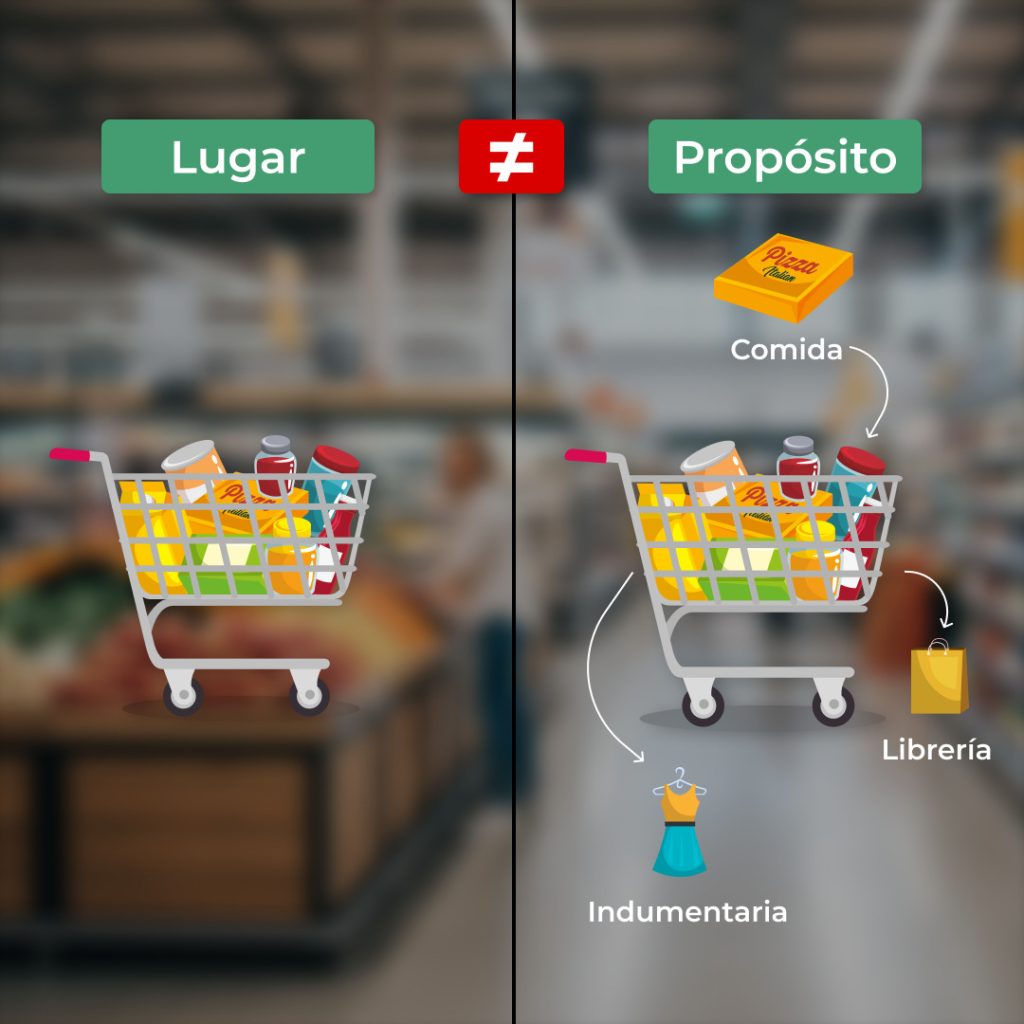
Because what you really need to know is not:
“How much money did I spend at the supermarket?”
Otherwise:
“How much money did I spend on basic food? How much on household items? How much on maintenance tools? How much on personal care?”
The place doesn’t mean anything to you.
The purpose, yes.
The Biyuya Purpose-Based Categorization Method (MCPB): a system that thinks before you do
For years, people would say to me, “I don’t know how to organize my categories; they always fall short.”
The answer is: you shouldn’t have to assemble them.
Biyuya’s category tree was born from that idea:
A deep, coherent, and easy-to-navigate system that adapts to your life without driving you crazy.
Here are the principles, explained simply.
1. Purpose > Location
It doesn’t matter where you bought something; what matters is what you bought it for.
Yogurt purchased at a gas station → Dairy, eggs, and fresh produce.
Shampoo purchased at a supermarket → Hairdressing, hygiene, and personal care.
Chocolate from the kiosk → Chocolates and sweets.
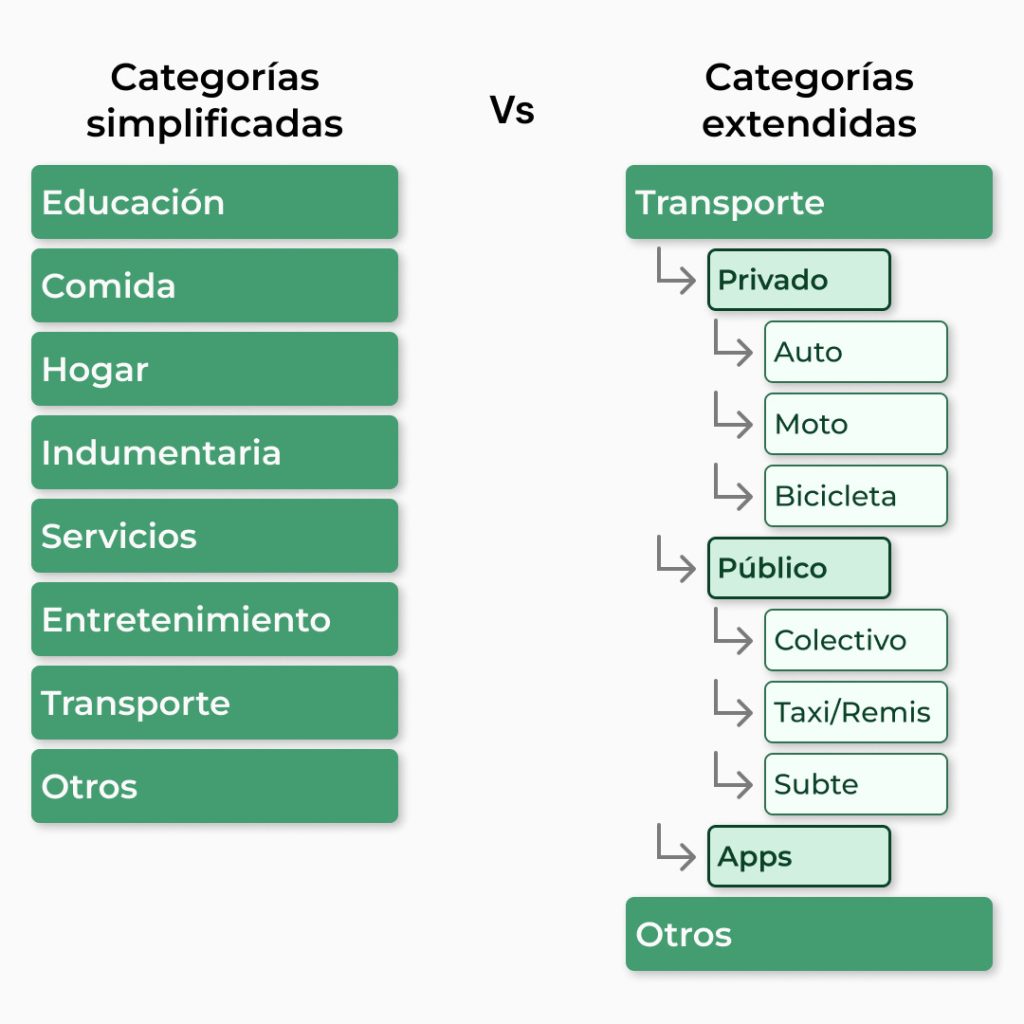
2. A deep but comfortable tree
Many people believe that having many categories complicates everything. In reality, it’s the opposite:
What complicates matters is having few confusing categories.
A good system has logical levels:
Home → Home maintenance → Repair materials.
Transportation → Cars and mobility → Parking.
Food → Ready-made or prepared food.
As you navigate, you intuitively know where to go.
3. The magic is in the parent context
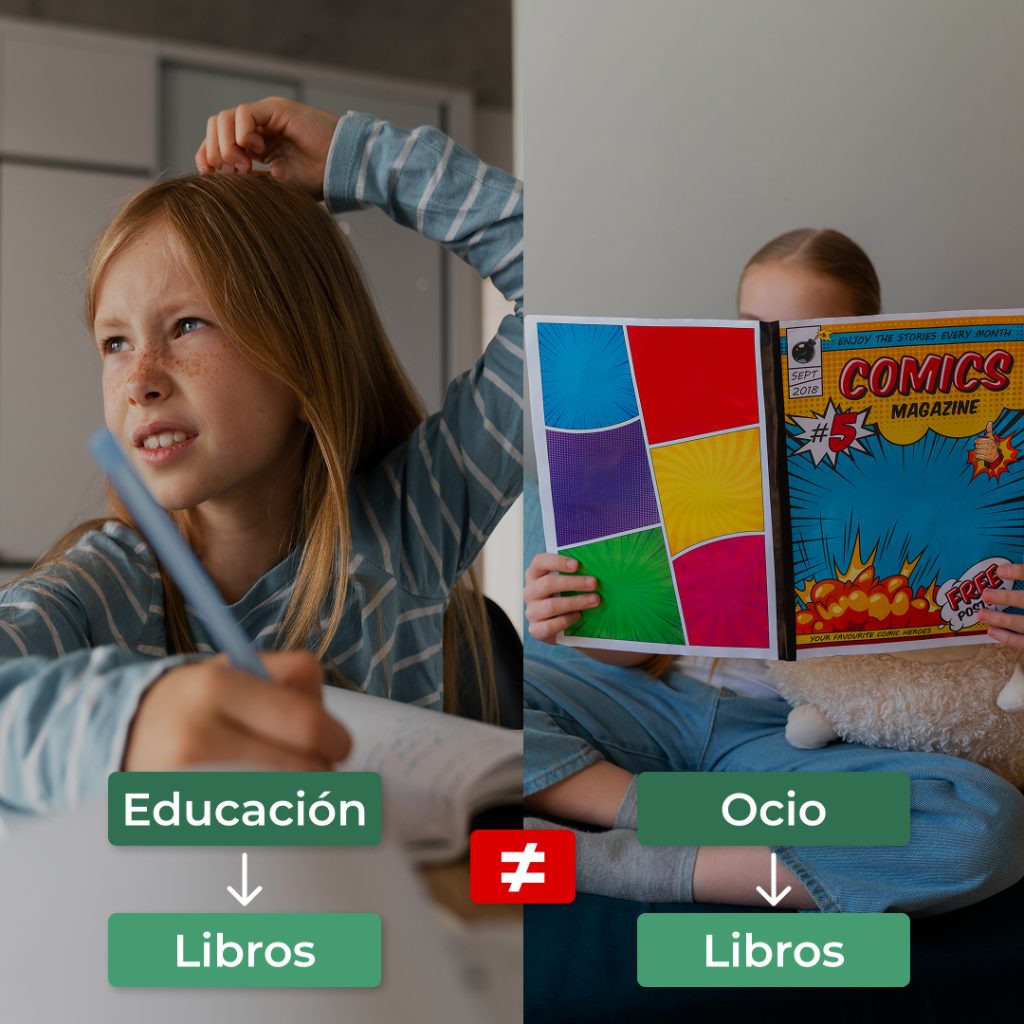
A category changes meaning depending on where you live.
“Books” under Education is not the same as “Books” under Leisure.
The Biyuya tree uses this trick to its advantage: it allows names to be repeated with completely different meanings.
4. You choose which part of the tree to use.
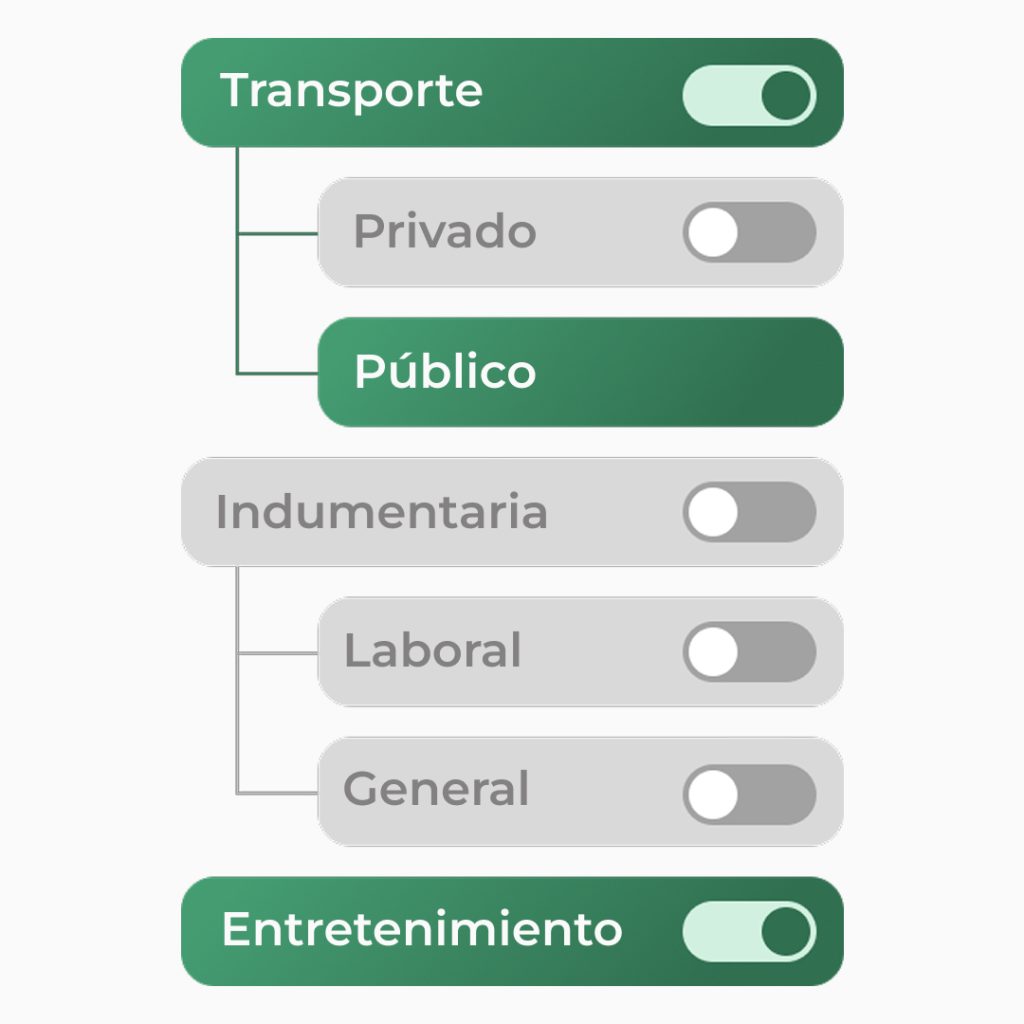
You don’t need to look at all 600 categories.
In practice, you will use 25–40 at most.
The app lets you hide everything you don’t use.
The entire tree exists to provide you with precision when you need it.
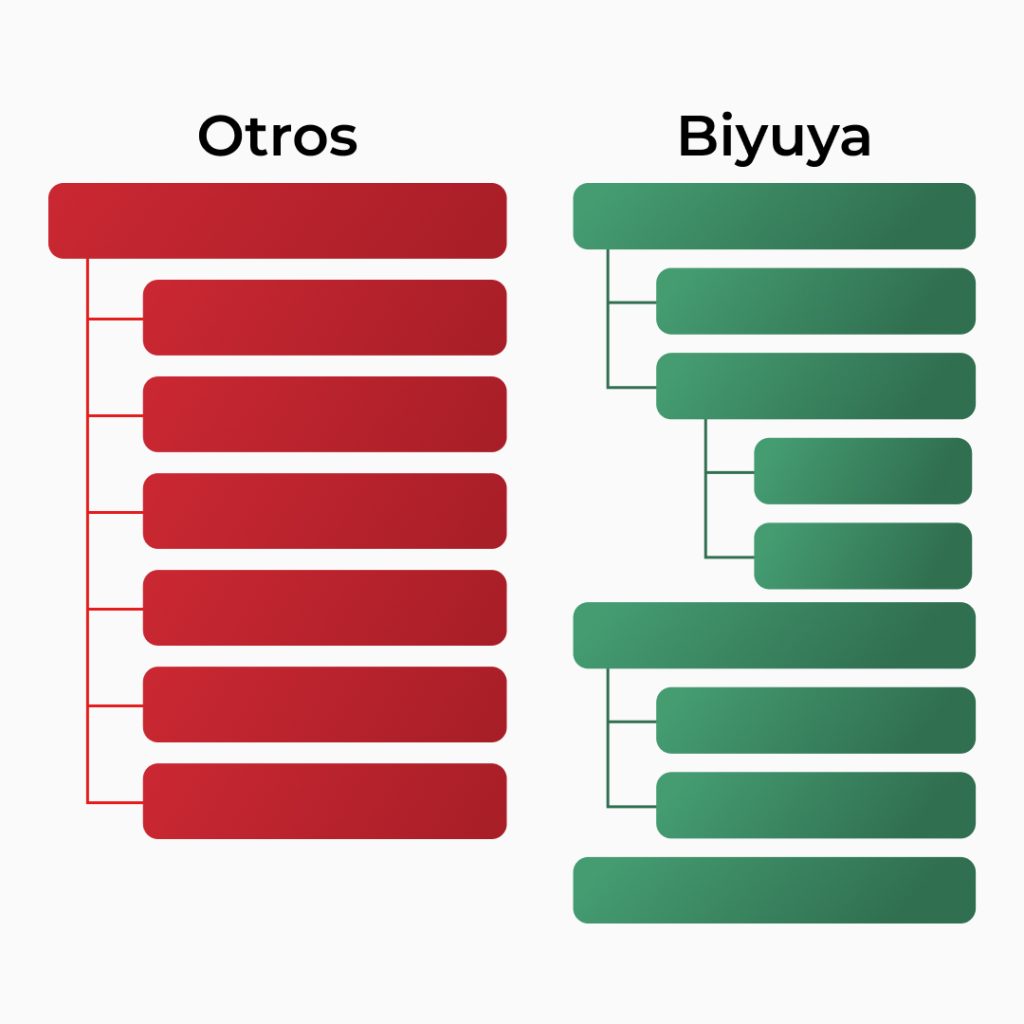
5. Miller’s Law: the rule that makes the tree easy
At each level, the brain processes between 3 and 7 options best.
That’s the limit.
That’s why the Biyuya tree never suddenly drops 24 sister categories.
How to categorize effectively every day (without getting frustrated)
This is the practical part, the one you’ll be using tomorrow.
1. Always choose the most specific option that does not complicate things for you.
Being specific from the outset saves you problems later because:
- Avoid confusing analyses: If you categorize everything as “Food,” you won’t be able to distinguish between structural and occasional expenses, nor will you know what to optimize.
- Facilitates concrete decisions: Seeing that “Ready-made or prepared food” accounts for 30% allows you to take action. Seeing only “Food: $150,000” does not.
- Reduce the need for recategorization: Separating “Parking” from “Car” on day 1 avoids having to review 60 transactions later.
- Makes consumption patterns visible: Expensive habits are hidden in generic categories. Specifying them clearly makes them appear separately in reports.
In summary: categorize well today = don’t fix anything tomorrow. Invest 3 seconds now to save hours later.
2. If a category receives too many expenses, move it down a level.
If the category “Ready-made or prepared food” consumes 70% of your food budget, you may need to divide it between:
- Cereals and baked goods
- House cleaning
- Personal care
- Candy and sweets
The category should help you decide tomorrow, not accumulate information.
3. The category “Others” is an error signal.
It should be used when there is truly no other option.
If you end up with a chart where “Others” is huge, the solution is not to live with it:
is to adjust your system.
4. Check the tree when you have doubts.
The tree is designed so that you don’t have to invent anything: each category already has its logical place.
If you are unsure where to place an expense, browse through the tree calmly. The answer is there.
5. A monthly review makes all the difference
Once a month:
- Look for spending spikes you hadn’t noticed before.
- Identify which categories represent fixed expenses in your life and which are variable expenses to better understand your spending structure.
- See which categories grew the most compared to previous months.
- Carefully review which consumption habits have changed without you consciously noticing.
Five minutes. Everything changes.
Where do the categories come from?
Many people think that expense categories are somewhat improvised, but in reality there is a formal structure behind almost everything we consume. It is called COICOP:
Classification of Individual Consumption According to Purpose.
In Spanish: Classification of Individual Consumption by Purpose.
It is the system used by governments, statistical institutes, and international organizations to measure the actual consumption of the population. When you see official reports on inflation, basic basket, year-on-year variation, or average household expenditure… all of that is based on COICOP.
This system has an enormous and highly detailed tree, built from the goods and services that households actually consume. The categories exist because they represent significant consumption patterns at the population level. In other words, COICOP groups together what people actually buy in real life, which is why its structure is so comprehensive.
The problem is that it is not designed for everyday use by ordinary people. It is technical, rigid, slow to navigate, and not optimized for the actual moment when you are categorizing.
That’s why at Biyuya we do something different:
We use COICOP as a basis, but we adapt, refine, and reorganize it to make it usable for you, fast, intuitive, and comprehensive. So that you have everything you need, without feeling overwhelmed.
What the Biyuya Purpose-Based Categorization Method (MCPB) is NOT
- It’s not rigid minimalism.
- It’s not about inventing new categories every week.
- It is not a closed system.
- It is not a budget in itself.
It is a foundation, not a method of saving.
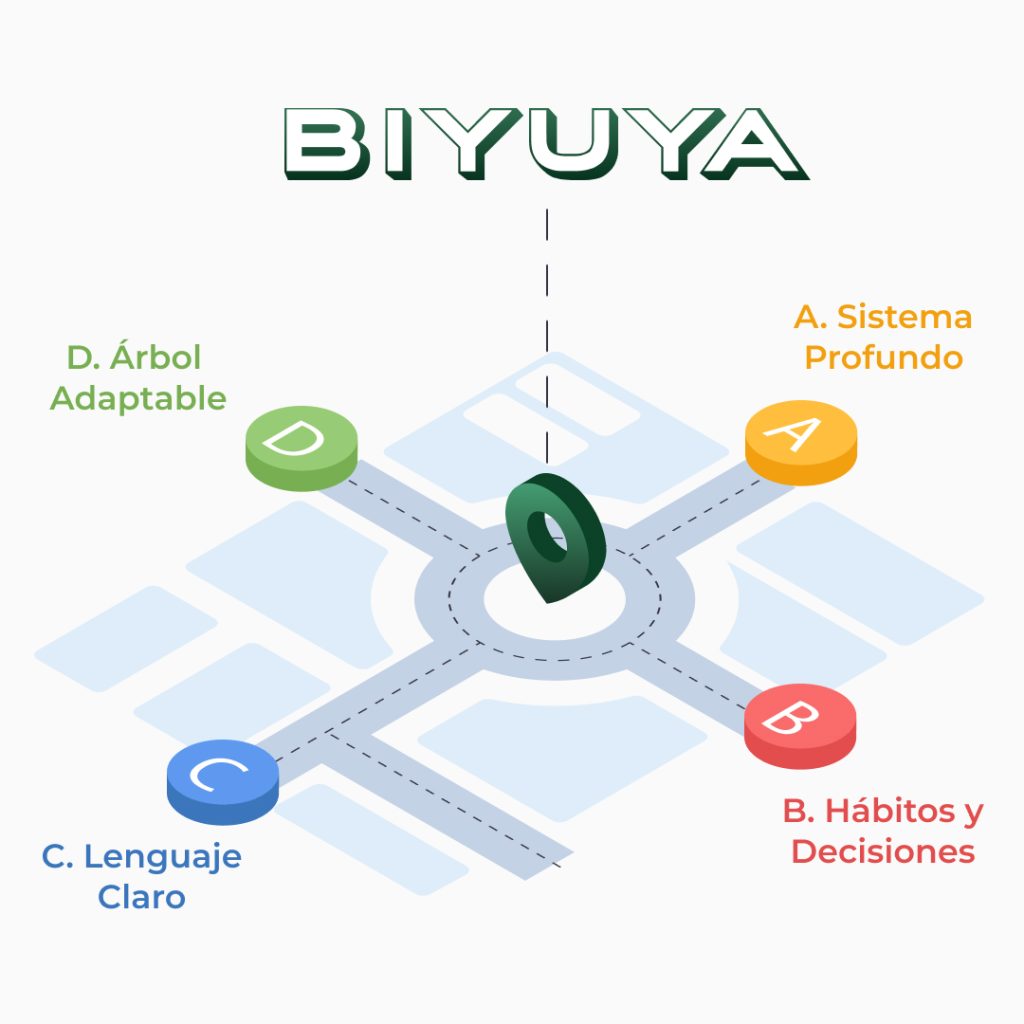
What Biyuya IS
- Clear language to understand your money.
- A deep but lightweight system.
- A tree that adapts to you by choosing what to see.
- A bridge between your habits and your decisions.
And one huge advantage: it’s already done. You don’t have to invent it.
Download the category tree for free (600+ categories ready to go)
If you want to implement this in your notes or template, here is the complete tree as we use it.
Ideal for:
- Build your own system
- Compare yours with a professional one
- Improve your reports
- Understanding your spending patterns
Download Complete Biyuya Tree (PDF)
How to use the Biyuya Purpose-Based Categorization Method (MCPB) together with Kakebo, Envelopes, or 50/30/20
Biyuya does not replace other methods. It orders them.
The category tree gives you the structure, and then you apply the system you prefer on top of it.
Here are the integrations explained:
Kakebo
Kakebo asks you to separate your expenses into four groups:
- Requirements
- Optional extras
- Culture
- Extras/Contingencies
With Biyuya:
- The categories of needs (cereals and baked goods, transportation services, household costs, medical products, and outpatient care) have already been identified.
- Optional extras (delivery, outings, hobbies) too.
- Culture appears as a separate branch.
- The extra goes to a specific branch, not to “Miscellaneous.”
Result: Kakebo works without having to invent new categories.
Envelope System
This method works by assigning an “envelope” to each area of spending.
With Biyuya, you can use:
- Envelopes by parent category: Food, Transportation, Home, Recreation, and Culture.
- Envelopes by habit: Ready meals, Candy and sweets, Coffee and hot drinks.
- Envelopes by purpose: Pets, Children, Personal care.
Since the tree is already separated by purpose, filling envelopes becomes obvious and automatic.
50/30/20 Rule
The rule requires separating expenses into:
- 50% Needs
- 30% Desires
- 20% Savings/Finance
With Biyuya:
- Everything essential already lives in branches such as Home, Transportation, and Food (cereals, meats, vegetables).
- Desires are naturally grouped: Outings, Leisure, Delivery, Discretionary Purchases.
- You can track 20% in the Finance section (Savings, Investments, Debts).
Biyuya solves the difficult part for you: what counts as a need and what counts as a desire.
If you want this to work automatically, try the Biyuya app.
Biyuya takes care of everything above without you having to think about it.
You record expenses in seconds, choose which categories to view, and the app takes care of the rest.
Available at app.biyuya.com
Categorizing is not a whim or an Excel spreadsheet:
It is a tool for viewing your life from a different perspective.
When you categorize, you understand.
When you understand, you decide.
When you decide, you progress.
Your money is no longer a mystery.
You gain clarity.
And that is always worth more.